
Chickens: Easier Than Horses (So Far)
This post may contain affiliate links. If you purchase through these links, I may earn a small commission at no additional cost to you. As an Amazon Associate, I earn from qualifying purchases. I only recommend products, services, and resources that I personally use, trust, or believe may provide value to my readers.
•••
This is my first full year with chickens, which means I am still firmly in the learning as I go category. No decades of poultry wisdom here—just observations from someone whose background is horses, where everything feels like it can go catastrophically wrong at any moment.
By comparison, chickens have been… refreshingly easy.
I fully expected them to be more work. More fragile. More dramatic. More demanding. Instead, they’ve been a surprisingly fun and manageable addition to the farm—especially with some upfront planning.
Starting Small (and Accidentally Getting a Rooster)
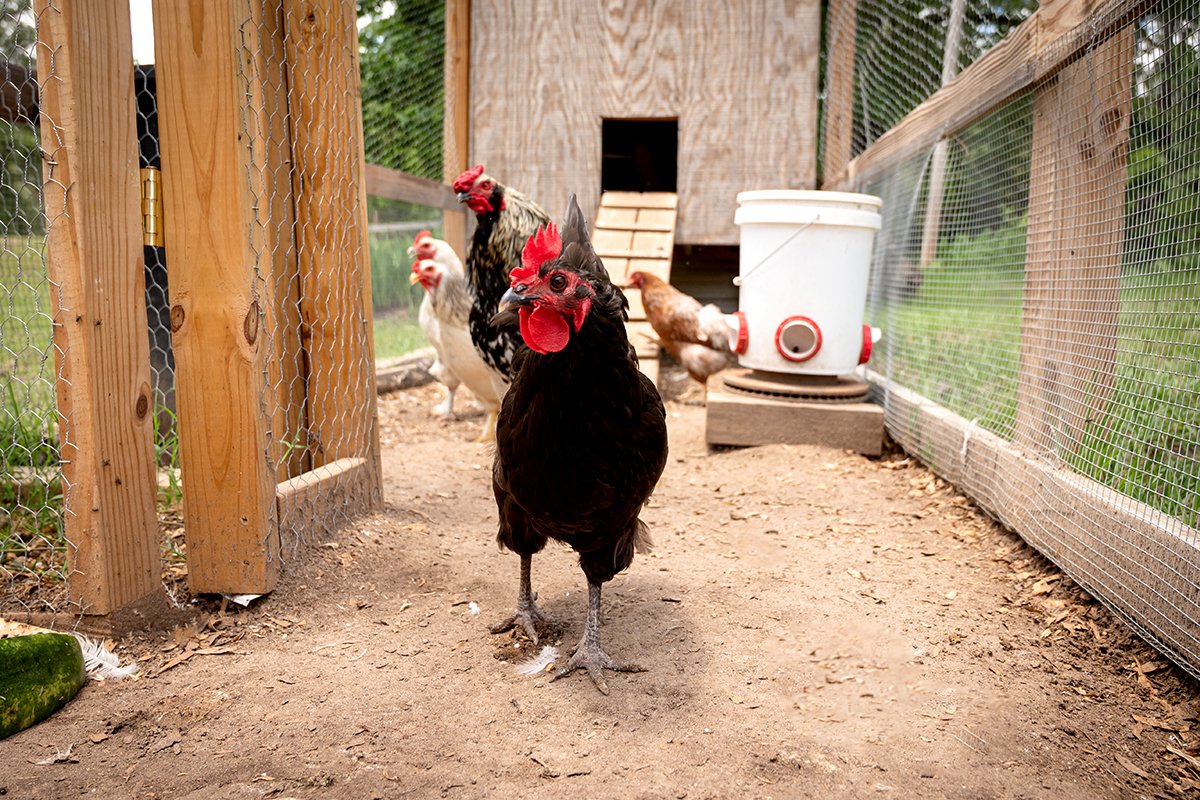
I started with a very small flock: three hens and one surprise rooster. The rooster wasn’t part of the original plan, but if you’ve spent any time around livestock, you know plans are often more of a suggestion.
As a first-year chicken keeper, starting small was the right call. It gave me space to:
Learn their routines
Figure out what “normal” looks like
Adjust feed, bedding, and setup without being overwhelmed
Now that the hens are mature and laying consistently, I’m starting to see clear differences between breeds—and which ones actually fit my goals.
Learning Which Breeds Work for Me
Now that everyone is laying, I’ve learned pretty quickly which hens I appreciate the most from a practicality standpoint.
Easter Eggers: Lovely birds, fun egg colors—but mine tend to go broody, especially in fall and winter. When they’re broody, egg production slows way down.
Copper Maran/Austrolop mix: Easily my most consistent egg layer so far.
Rhode Island Whites: my newer two additions, just started laying. Incredibly friendly and supposed to be high producers.
That consistency matters more to me than novelty. Eggs on a predictable schedule beat pretty shells if the goal is having eggs in the kitchen year-round.
Making Daily Care Easy on Purpose
One of the biggest reasons chickens feel manageable is that I designed their setup to reduce daily effort.
I built:
A gravity feeder using a food-grade 5-gallon bucket with a DIY feeder kit.
A large-capacity waterer using a clean trash can and a DIY water cup kit.
This means:
Less daily refilling
Fewer emergency “oh no, they’re out of water” moments
Chores that stay quick and predictable
Their coop is deep-bedded with pine shavings, which has made cleanup straightforward. I don’t need to fully clean it constantly—just top off bedding and do a deeper clean every few weeks.
For someone used to stalls and constant manure management, this feels… suspiciously easy.
The Unexpected Joy: Naming Chickens
This is probably a dumb reason to enjoy chickens, but it turns out naming them is genuinely fun.
Unlike horses—where names tend to carry weight, history, or at least some dignity—chickens don’t seem to mind whatever you call them. Mine are all named after Schitt’s Creek characters, which just feels right. Shout out to my current flock, David, Alexis, Moira, Twyla, Stevia, Jocelyn, and Ronnie.
Does naming them serve a practical purpose? Not really.
Does it make me more entertained every time I’m in the coop? Absolutely.
Perspective from a Horse Background
I think part of why chickens feel so approachable is my baseline expectation coming from horses.
Horses are wonderful, but:
They can injure themselves purely by existing
They react to everything
Small management mistakes can turn into big problems
Chickens, by comparison, are fairly self-sufficient when their basics are met:
Food
Water
Shelter
Predator protection
As long as those needs are handled thoughtfully, they largely go about their business.
First-Year Takeaways
A year in, my biggest takeaways so far:
Chickens don’t need to be complicated to be successful
Breed selection matters if egg consistency is your goal
Coop/Run infrastructure upfront saves time later
Starting small makes learning manageable
Naming them is optional, but highly recommended
I’m still learning, still observing, and still adjusting—but chickens have earned their place here. They add life, routine, and utility to the farm without demanding constant attention.
For a first-year keeper with a full plate already, that’s a win.
Affiliate Disclosure
Some of the links on this website are affiliate links. This means that if you click on a link and make a purchase, I may receive a commission at no additional cost to you.
As an Amazon Associate, I earn from qualifying purchases. I may also participate in other affiliate programs that provide compensation when products or services are purchased through links on this website.
My goal is to provide honest opinions, recommendations, and information. Any compensation received through affiliate programs does not influence the content, topics, or products I choose to feature. I only recommend products, services, and resources that I personally use, have experience with, or believe may be valuable to my audience.
Your support through these affiliate links helps maintain this website and allows me to continue creating helpful content. Thank you for your support.
