
Understanding Egg Sensitivities: A Look Beyond the Egg
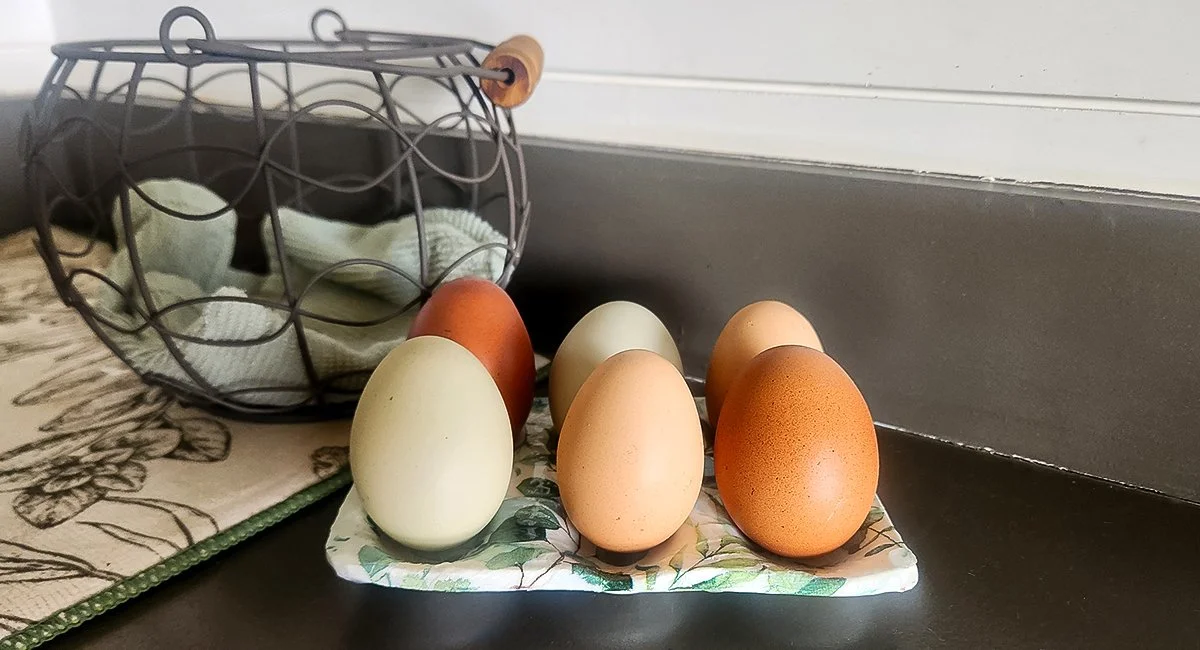
My relationship with eggs has always been… complicated.
For a long time, I assumed I had some kind of egg intolerance. Sometimes eggs bothered my stomach, sometimes they didn’t. Sometimes I could eat them baked into something like cookies or muffins with zero issues, but a boiled or fried egg would absolutely ruin my day. Other times? Totally fine. It felt inconsistent and, honestly, frustrating.
Then something interesting started happening.
I’d get eggs from certain friends — backyard chicken folks who fed high-quality, organic, or specialty feeds — and I had no problems at all. Other friends’ eggs? Immediate regret. That’s when I realized maybe it wasn’t the eggs themselves… and down the rabbit hole I went.
Trial, Error, and Egg Math
For a while, it was pure experimentation:
Whole eggs vs baked eggs
Small amounts vs larger servings
“Diluted” eggs in recipes vs straight-up eggs
The results were inconsistent but telling. Something was clearly triggering my stomach — just not in a way that screamed “classic egg allergy.”
Eventually, I did what I probably should have done earlier and had allergy testing done.
Plot Twist: It Was Soy
The results surprised me.
Eggs? Fine, no allergy, reconfirmed with bloodwork.
Soy? Very much not fine.
At first, that felt confusing. We were talking about eggs… why was soy even involved? But once I started digging, it all clicked.
Many commercial egg-laying facilities feed their hens diets that are heavy in soy. To be very clear: I have zero beef with that. Soy is a common, cost-effective protein source, and for most people, it’s completely fine.
But for someone with a soy allergy? That soy doesn’t just disappear.
Suddenly, the pattern made sense:
Friends feeding soy-free or low-soy diets: no issues
Friends using conventional feeds: issues
Baking eggs into foods: lower concentration, fewer symptoms, but not “complete” avoidance
The culprit had been hiding in plain sight the whole time.
So What Do I Do Now That I Have Chickens?
Once I had my own flock, this became pretty easy to manage. So now, I order through Tractor Supply and feed:
Nutrena NatureWise Hearty Hen Soy-Free 18% Protein Pellet Chicken Feed
It’s been a great fit:
Soy-free (obviously the big one for me)
My chickens eat it happily
No issues on my end, eating the eggs
Simple, consistent, and no guesswork. Bonus points: Autoship and forget, my kind of way to shop for feed.
Not Anti-Anything, Just Pro-Understanding
This isn’t an anti-soy post. It’s not a “commercial eggs are bad” take. It’s just a reminder that sometimes food sensitivities are more layered than they appear, and understanding the why can make life a whole lot easier.
For me, it meant realizing I didn’t need to give up eggs — I just needed to pay attention to what my chickens were eating.
*As always, none of the Circle WM blog is meant to be medical advice; please consult your primary care and allergist with any specific questions or concerns.
