
Time Is the Real Limiting Factor on a Hobby Farm
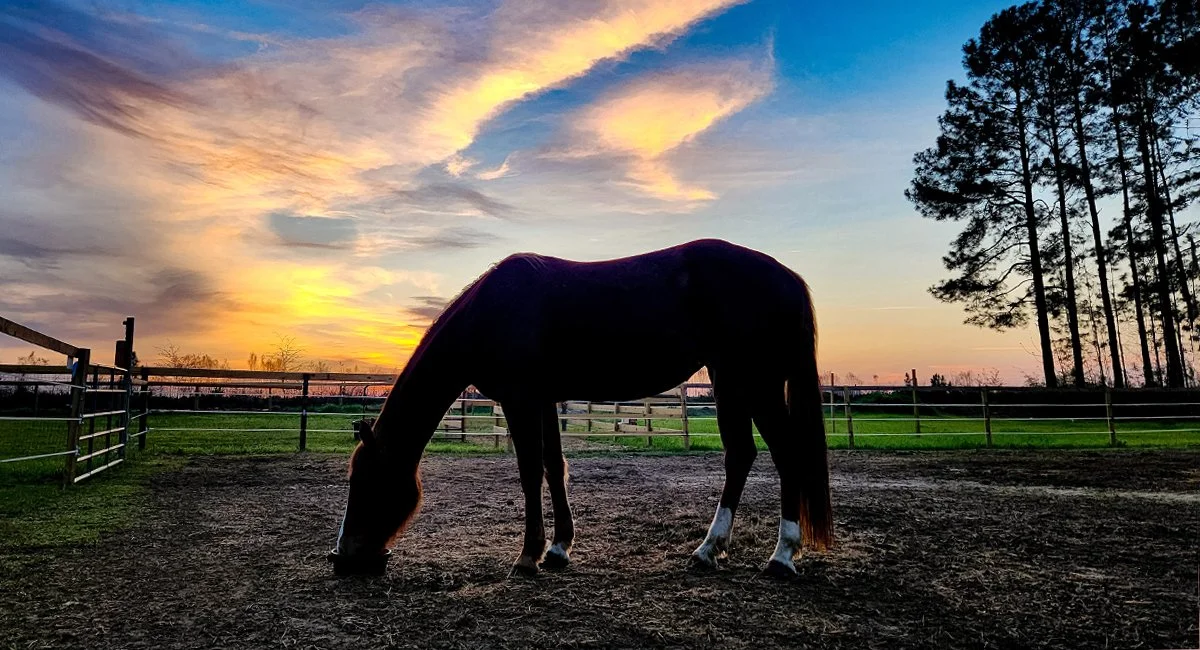
One of the least discussed parts of hobby farming or homesteading isn’t money, land, or equipment—it’s time.
Specifically, how much of it you actually have, not how much you wish you had.
In households where both adults work full-time jobs, time becomes the most finite resource on the farm. It’s easy to get excited about new ideas—gardens, chickens, cattle, goats, horses, bees—but every addition comes with an invisible cost measured in minutes, hours, and mental bandwidth.
Being honest about that is not pessimistic. It’s responsible.
Self-Awareness Matters More Than Ambition
There’s nothing wrong with wanting to do more on your land. The problem starts when enthusiasm outpaces reality.
Every farm idea asks the same questions:
How often does this need daily attention?
What happens if I miss a day?
What happens if I miss a week?
Who covers chores if one of us is sick, traveling, or working late?
For things like gardens, the answer might be “plants suffer, but no one is in immediate danger.”
For living animals, the stakes are higher.
Animals don’t care about deadlines, meetings, or long workdays. Their needs don’t pause because your calendar is full.
Livestock Welfare Is a Time Commitment
When you bring animals onto a property, you’re committing to:
Daily care
Weather-dependent adjustments
Emergency decision-making
Immediate response when something goes wrong
And things will go wrong—often at the worst possible times.
Water systems fail on holidays.
Fences break right before dark.
Animals get injured when you’re already running late.
Some of those issues can wait until morning. Others can’t.
Part of responsible animal ownership is knowing the difference—and knowing whether your schedule allows you to respond when it matters.
Not Everything Needs to Happen at Once
One of the most helpful shifts we’ve made is accepting that:
Not every idea has to happen now
Not every opportunity needs to be pursued
Adding slowly is better than scaling back under pressure
There’s no prize for doing everything simultaneously. There is a cost when animals or systems suffer because time runs out.
Starting small, layering projects over time, and letting routines stabilize before adding more has made everything feel more manageable—and more humane.
Designing Systems Around Real Life
Time management on a working household farm isn’t about squeezing more productivity into the day. It’s about designing systems that survive real life.
That looks like:
Simplifying chores wherever possible
Building in buffers for bad weather and long days
Choosing livestock and projects that match available time
Being realistic about seasonal workload spikes
It also means accepting that some seasons are for maintenance, not expansion.
Looking Ahead
We’re still figuring this out. What we have learned is that time is the quiet backbone of every decision on the farm.
In future posts, I’ll share more about:
How we prioritize chores with full-time jobs
What methods save us the most time
Which projects demand more attention than expected
And where we’ve intentionally said “not yet”
Because on a working household farm, time isn’t just a management issue—it’s an animal welfare issue.
And that deserves honesty.
