
You Know What Grinds My Gears About Homesteading Content
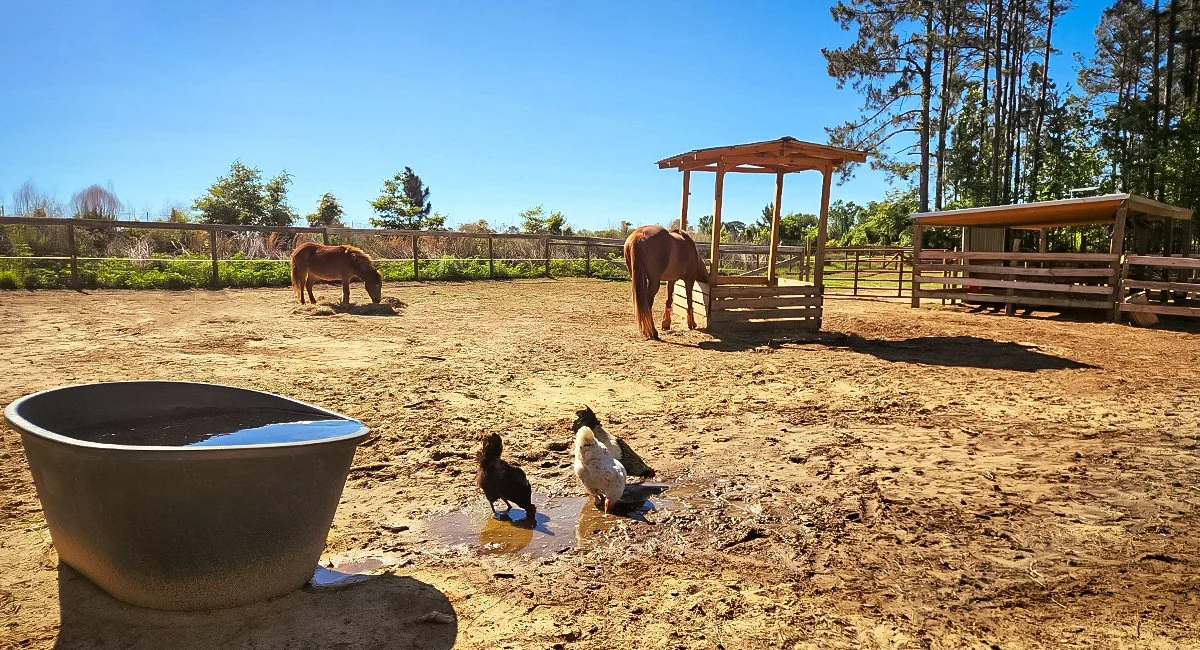
Social media is a double-edged sword when it comes to homesteading.
On one hand, there is genuinely helpful, thoughtful, experience-based content out there. People sharing systems that work, mistakes they’ve made, lessons learned the hard way. That kind of content is valuable.
On the other hand, there’s a growing narrative that homesteading is supposed to look like a constant state of domestic euphoria.
You know the version:
You raise chickens.
You have dairy cows.
You mill your own flour.
You bake bread daily.
You somehow do all of this and maintain a spotless house.
Bonus points if you’re smiling while making brownies from scratch for your family.
All while looking relaxed and put together.
The “Do It All” Myth
There’s an unspoken pressure baked into a lot of homesteading content that says:
If you’re not doing all of it, you’re not really doing enough.
Not enough food from scratch.
Not enough animals.
Not enough self-sufficiency.
Not enough commitment.
And that’s insane.
Raising animals, growing food, maintaining land, and managing equipment all take time, money, and energy. Add in:
Full-time jobs
Veterinary bills
Feed costs
Infrastructure
Weather
Injuries
Breakdowns
…and suddenly the fantasy collapses. Are you still twirling around the pasture in your sundress when your heifer finally leans on the fence too hard and is roaming the roads loose?
This unrealistic content often has me wondering:
Where is the income coming from to support all of this?
When are you doing laundry?
Who’s mucking stalls?
When does equipment get fixed?
Who pays for the vet?
Homesteading Isn’t Free or Easy
There’s a strange narrative that doing things “the old way” somehow makes them easier or cheaper.
In reality:
Milling your own grain still requires buying grain
Dairy animals require daily labor and expensive care
Livestock infrastructure is not optional
Feed and vet bills don’t care about aesthetics
It costs money to make garden beds and buy seeds
Homesteading doesn’t eliminate costs—it reallocates them and often, initially increases them.
And pretending otherwise sets people up for burnout, guilt, or worse: neglecting animals or themselves, trying to meet an impossible standard.
The Guilt Is the Worst Part
The most frustrating part isn’t the curated images—it’s the implication underneath them.
That if you:
Buy bread sometimes
Don’t want dairy animals
Only raise chickens
Garden casually
Choose convenience occasionally
…you’re the problem.
Or poisoning your family.
Or not committed enough.
Or “not a real homesteader.”
That mindset helps no one, and it alienates people who want to experience a new hobby or interest without a whole lifestyle commitment.
I Want More Real Content
What I’d love to see more of—what I hope we see more of—are creators who keep it real.
Show me:
The bread that didn’t rise
The “forget it” nights
The store-bought loaf that still tasted fine
The systems that didn’t work
The projects you paused or abandoned
Those moments don’t make homesteading less special. They make it human.
Some of the best farm days are quiet ones. Some of the most honest wins are choosing rest or convenience when that’s what keeps everything sustainable.
You Don’t Have to Do It All
Homesteading doesn’t have to be all or nothing.
You’re allowed to:
Pick what fits your life
Opt out of what doesn’t
Buy things at the store
Change your mind
Try and fail
Laugh about it later
There is no prize for doing everything the hardest possible way.
