
THE FARM
Welcome to the farm blog. Scroll down to read the latest updates, which cover land management, chickens, horse and pasture management, gardening, and mushroom cultivation.

Horses, Anhidrosis, Allergies, and Surviving a Southeast Georgia Summer
If you've ever managed a horse through a Southeast Georgia summer, you know the combination of heat, humidity, gnats, flies, and allergies can be brutal. After a particularly difficult season battling suspected anhidrosis and severe skin irritation, I made significant changes to my horse's environment, nutrition, and management routine. Here's what's working for us this year and why starting early may be the most important lesson I've learned.
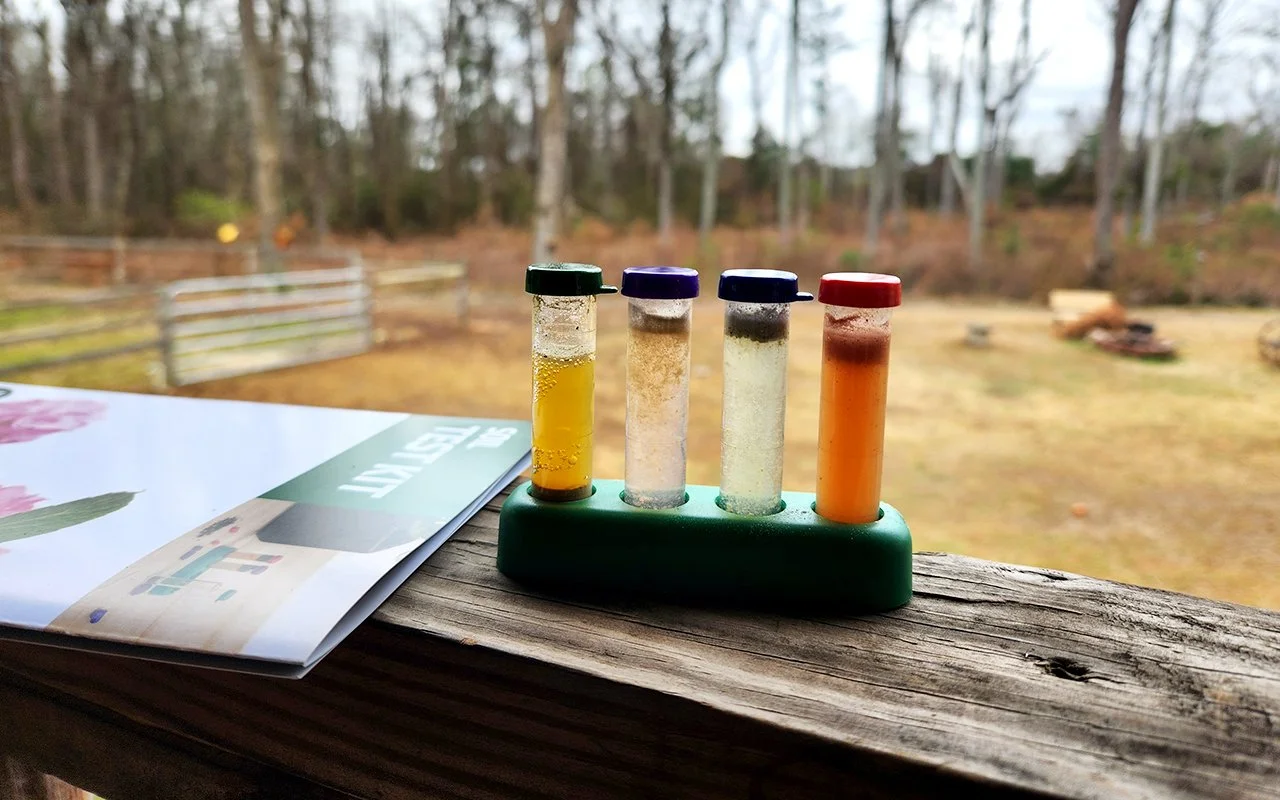
Soil Testing for Horse Pastures in Georgia: Smarter Small Acreage Management in 2026
Managing a horse pasture on one or two acres leaves little room for guesswork. After two years of trial and error, I finally tested the soil on my small Southeast Georgia property and discovered why some grasses thrived while others struggled. Here's what I learned about soil testing, pasture management, Bermuda grass, and making smarter decisions for horses on small acreage.
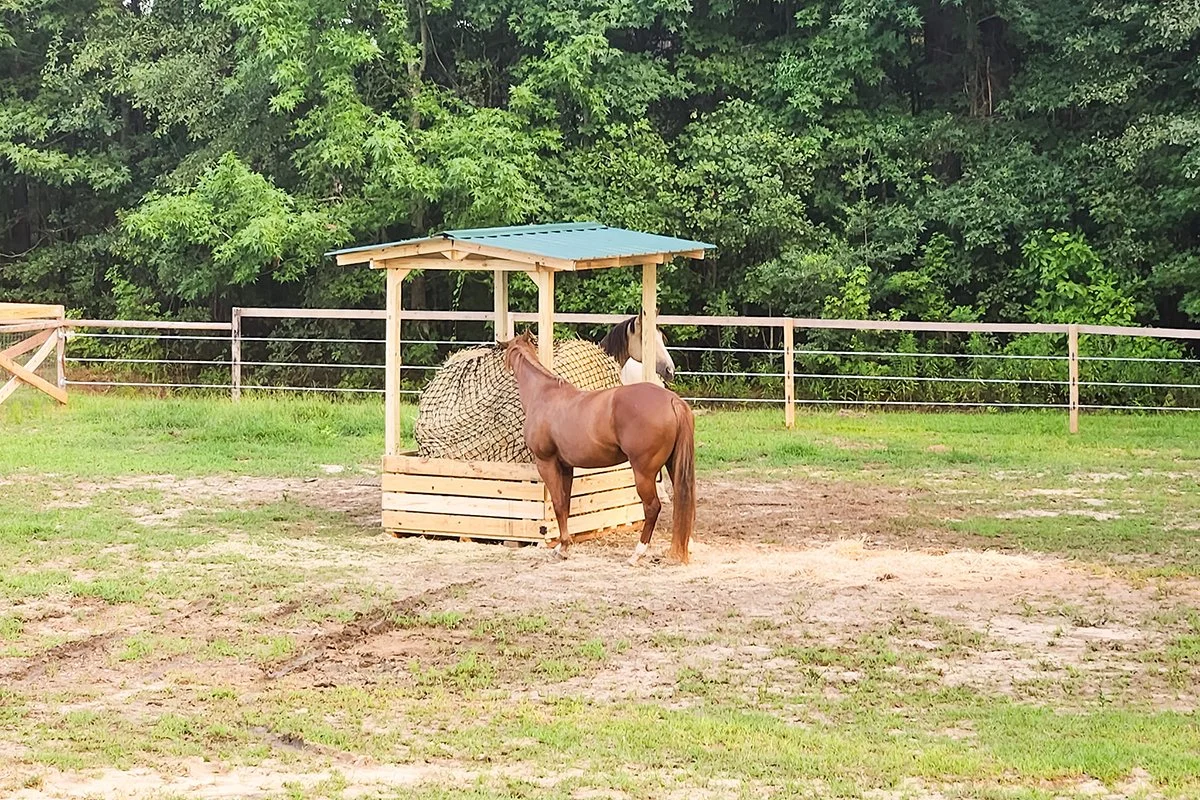
Simplifying Daily Horse Care (Because Time Still Matters)
Keeping horses doesn’t have to mean constant complexity, but it does require consistency. For me, simplifying day-to-day horse care has been less about cutting corners and more about designing routines that reduce stress—for the horses and for the humans managing them.
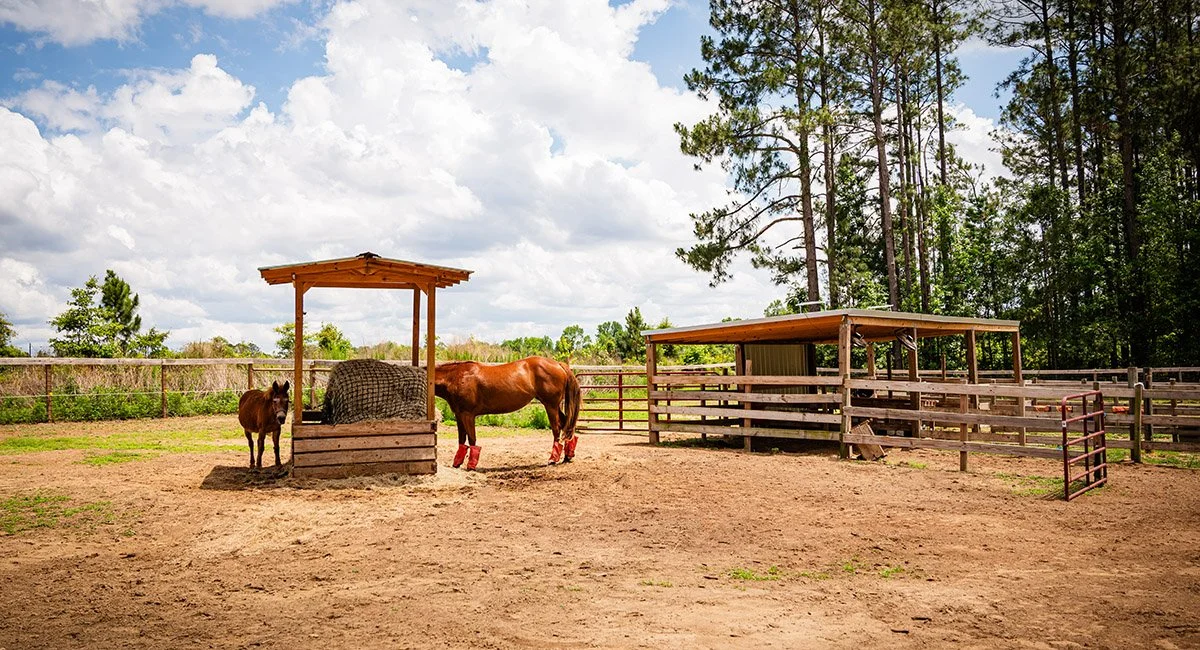
Small Acreage and Horses: Rethinking What “Healthy” Looks Like
Healthy horses do not require endless green pastures. From southeast Georgia to small acreage farms around the world, successful horse keeping often depends more on thoughtful pasture management, controlled grazing, shade, and adapting to individual horse needs than on large amounts of land. This article explores how small horse properties can support healthy horses through practical management rather than picture-perfect fields.
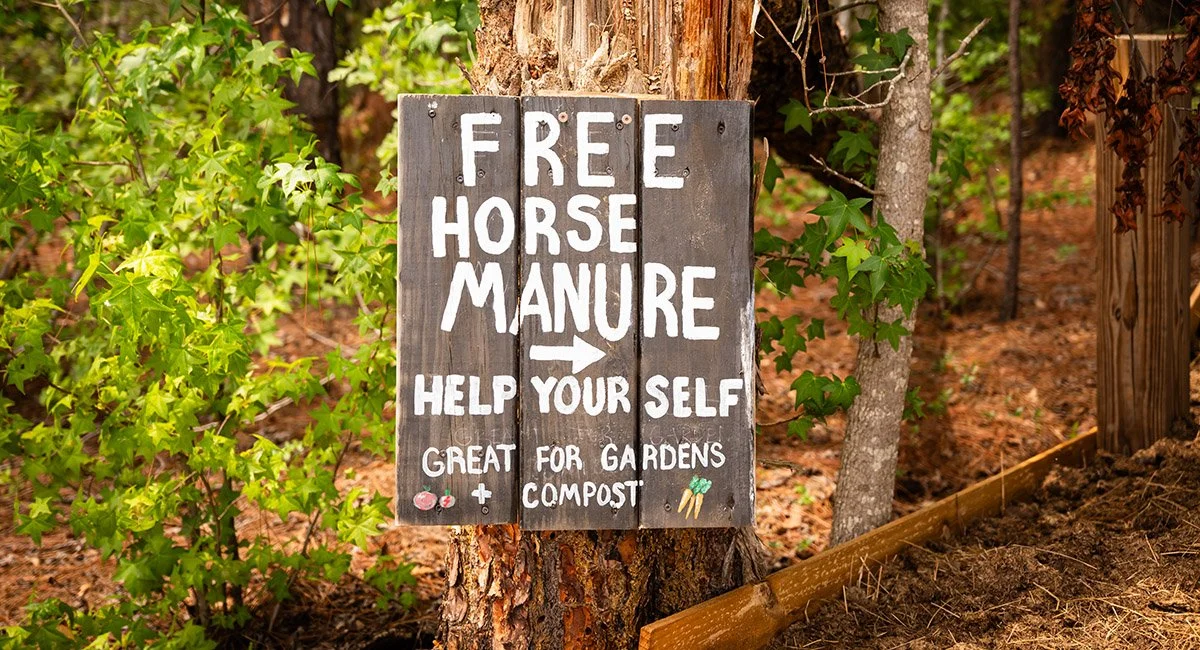
The Never-Ending Horse Farm Problem: Manure Management
After worsening gnat and fly pressure on a southeast Georgia horse property, this year’s manure management approach shifted from field spreading to a centralized roadside pile with free horse manure available for gardeners. The goal: reduce insect breeding areas, improve manure management, and hopefully let someone else haul part of the problem away.